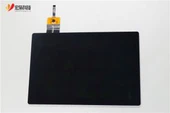

When it comes to touch screens, there are two types - responsive and capacitive. While they may look and feel similar, there are fundamental differences that set them apart.
Responsive touch screens are also known as resistive touch screens. They have been around for a while and are commonly used in older devices such as PDAs and gaming consoles. These screens have two layers of conductive material with a gap in between. When pressure is applied, the layers touch and a signal is sent to the device, registering the touch. One of the biggest advantages of responsive touch screens is that they can be used with any stylus or even with gloved hands. However, they are not very sensitive and cannot detect light touches.
On the other hand, capacitive touch screens are used in most modern devices such as smartphones and tablets. These screens are made from a layer of glass coated with a transparent conductor such as indium tin oxide. When the screen is touched, a small electrical charge is transferred to the finger, registering the touch. Capacitive touch screens are extremely sensitive and can detect even the lightest touches. They are also very durable and resistant to scratches and damage. However, they cannot be used with gloved hands or any other object besides the finger.
The main difference between these two types of touch screens is the way they detect touch. Responsive screens detect pressure while capacitive screens detect electrical charges. This fundamental difference makes capacitive screens more accurate, sensitive and responsive, making them more suitable for modern devices that require precise touches and gestures.
In terms of applications, responsive screens are still used in some specialized devices such as ATMs and signature pads where the ability to use any stylus or gloved hand is important. However, capacitive screens are the norm in most modern devices ranging from smartphones and tablets to laptops and even large displays used in public spaces. Capacitive screens are also popular in industrial settings where they can be used in harsh environments and exposed to moisture, dust, and chemicals.
Another advantage of capacitive screens is that they support multi-touch gestures such as pinch-to-zoom, swipe and rotate, which are commonly used in modern applications and games. These gestures are not possible with responsive screens, making them less versatile and intuitive.
In conclusion, while responsive and capacitive touch screens may seem similar, they have key differences that make each suitable for different applications. Responsive screens are still useful in some specialized devices, but capacitive screens are the norm in modern devices such as smartphones and tablets, offering accurate, sensitive and versatile touch options.