
Application
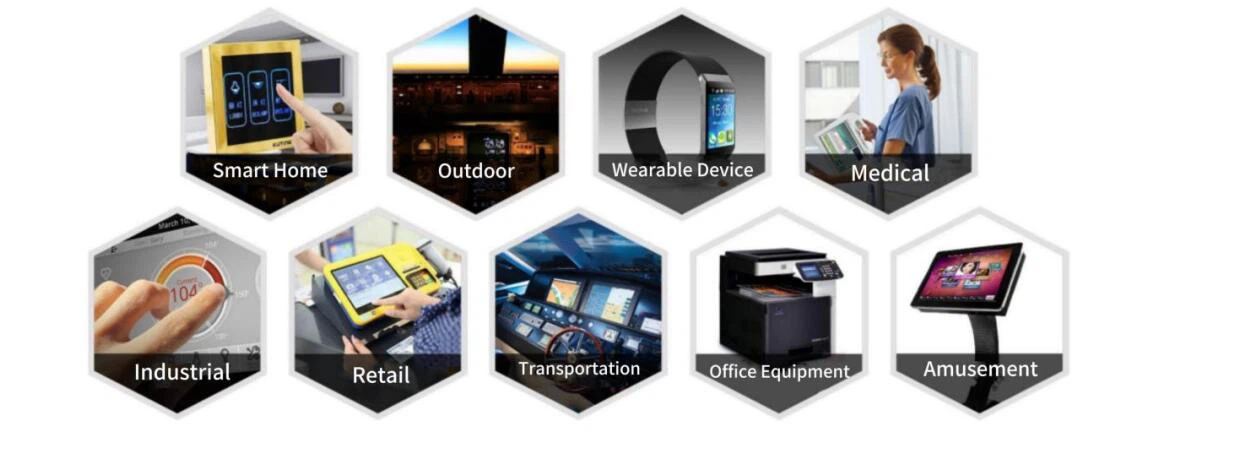
Internet of Things (IoT)
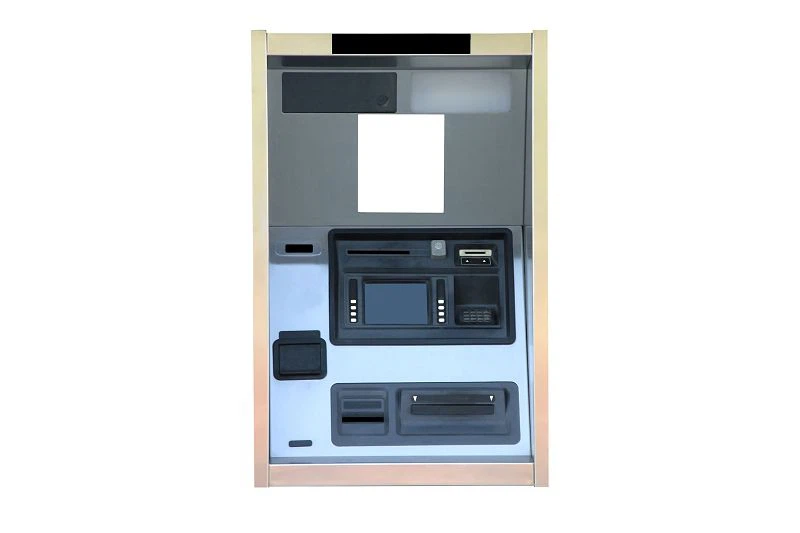
The terminal products in this field do not have high requirements for touchscreens, lying between pure industrial and consumer products. The application environment is primarily indoor, with relatively few outdoor applications, such as in express logistics handheld devices, mobile POS terminals, convenient payment terminals, and self-service kiosks. They mainly pursue lightweight and portability, hence the general recommendation is for G+F(F) structures, while a few clients may opt for G+G structures based on their specific circumstances.
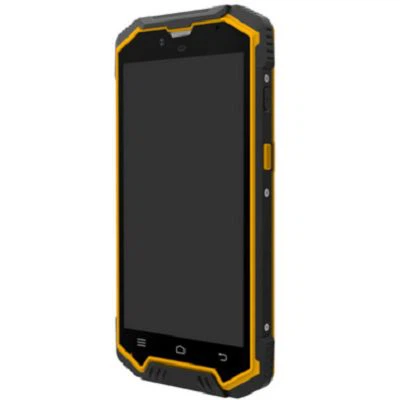
Case Introduction: Courier Handheld Terminal
Application Environment and Characteristics:
- Primarily used for indoor package scanning, occasionally operated outdoors, meeting requirements for various weather conditions and winter glove operation.
- Long standby time, requiring power consumption control.
- Pass high and low temperature aging test and tumbling test.
Capacitive Touchscreen Solution:
- G+F+F structure, Corning glass cover with surface AF processed.
- Cost-effective Goodix GT970 program, debugging water function and requiring glove function.
- Optical bonding assembly with FPC screened.
Medical Devices
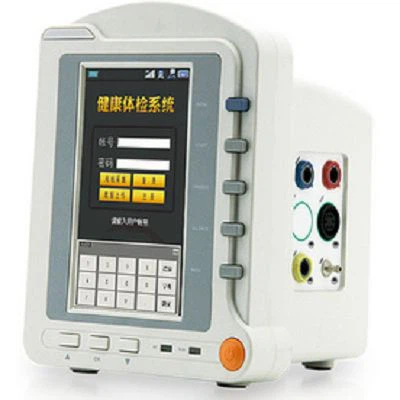
The terminal products in this field primarily refer to medical electronic devices, such as handheld medical terminals, wearable medical devices, portable health examination machines, patient monitors, ECG machines, etc. Considering the application scope and service life, the requirements for touchscreens mainly focus on sensitivity, lifespan, and anti-interference capabilities. Therefore, the G+G structure is generally recommended, while a small number of products with higher cost requirements may opt for P+G and G+F+F structures.
Case Introduction: Portable Medical Examination Machine
Application Environment and Characteristics:
- Mainly used in pharmacies and health clinics indoors, occasionally used for outdoor first aid, needing to support normal operation with medical waste liquid and medical gloves.
- Subject to electromagnetic compatibility (EMC) testing, needing to meet safety requirements.
- Power utilization varies from country to country, requiring resistance to power supply interference and radiation interference.
Capacitive Touchscreen Solution:
- G+G structure, Asahi glass cover with surface AF processed.
- Cypress 5 series solution selected for its anti-interference.
- Air bonding for considering cost, optical bonding for first aid equipment, with FPC and IC shielded.
Vehicle-mounted
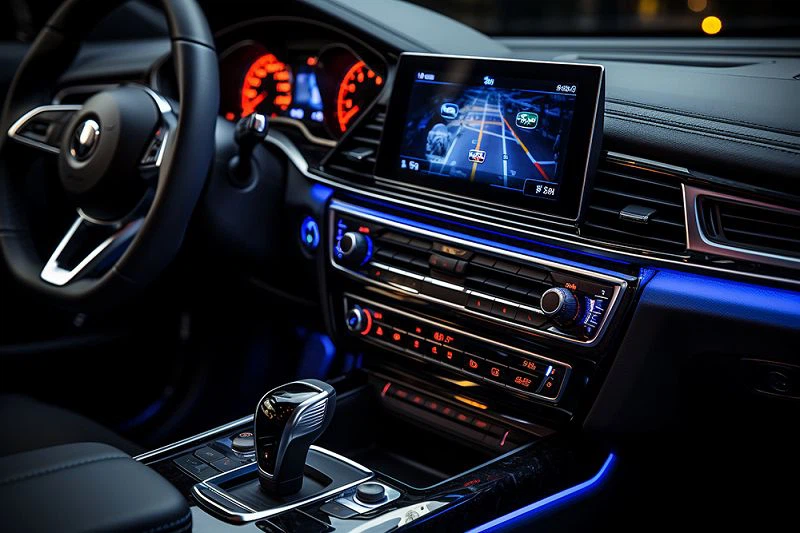
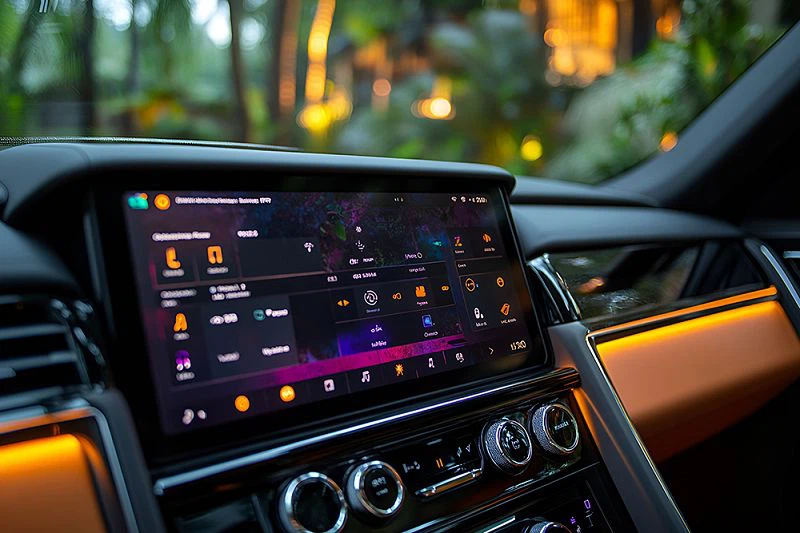
The requirements depend on the installation location(front or back), or for some supporting equipment. Installed in the front, need to meet vehicle-related certifications and explosion-proof levels, which are relatively higher, such as for vehicle central control systems. Located at the back like vehicle navigation, audio-visual equipment, and intelligent parking systems, as well as smart traffic control terminals, have relatively lower requirements. Terminal products generally focus on explosion-proof and seismic-resistant, visibility in sunlight, and anti-interference. The G+G structure is generally recommended, while for aftermarket products, many opt for the G+F+F structure.
Case Introduction: Front loading Vehicle control system
Application Environment and Characteristics:
- Mainly used in the vehicle central instrument panel, meeting visibility requirements in sunlight.
- Explosion-proof and shock-resistant for vehicle certification.
- Strong anti-interference.
Capacitive Touchscreen Solution:
- G+G structure, thick tempered cover glass with AG (anti-glare) coating.
- For anti-interference, Atmel solution for screens below 12.1 inches, and EETI solutions for screens above 12.1 inches.
- Considering seismic resistance, explosion-proof, and wide temperature, with optical solution for both the TP and TFT.
Smart Home Appliances
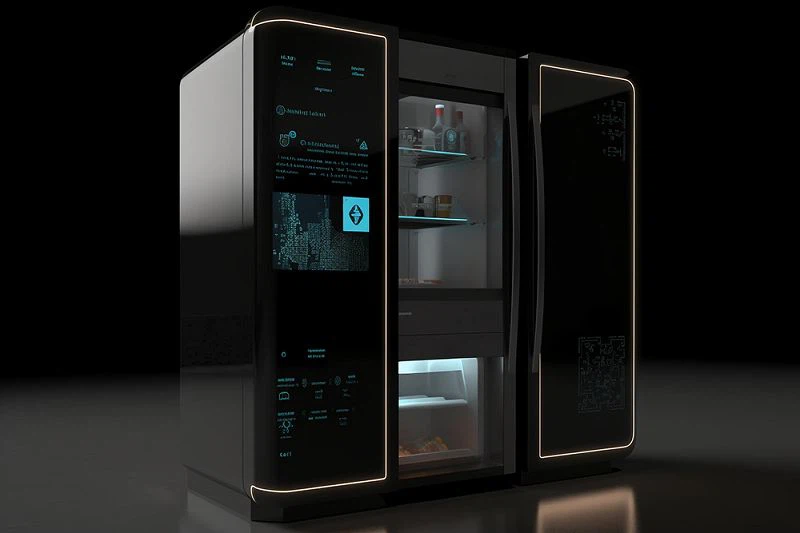
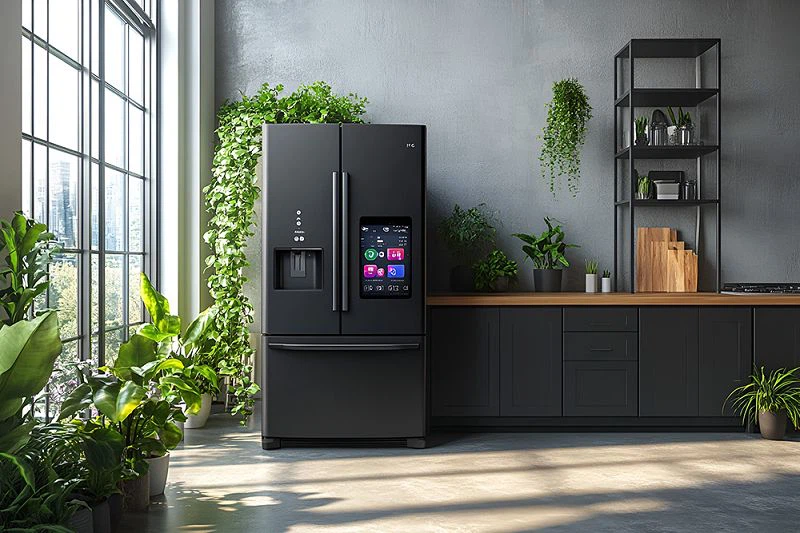
The application is primarily indoor use. The requirements for capacitive touchscreens are relatively low (except for products with servo motors), focusing mainly on sensitivity, anti-interference capabilities, and cost. This includes smart home appliances and smart security systems. Therefore, the G+F(F) structure is generally recommended, while a small number of products positioned on the higher end of the market may also choose the G+G structure.
Case Introduction: Smart Kitchen Appliances
Application Environment and Characteristics:
- Mainly used in the kitchen, needing to support normal touch operation with water and oil.
- Requires good hardness and strength for the capacitive touchscreen.
- Requires strong anti-interference and good sensitivity.
Capacitive Touchscreen Solution:
- G+G structure chosen, with thick tempered glass for the cover lens, treated with AF (anti-fingerprint) coating.
- Cypress or Atmel solution selected for anti-interference.
- Considering lifespan, temperature and humidity, the optical bonding for both the TP and TFT.
Industrial Control
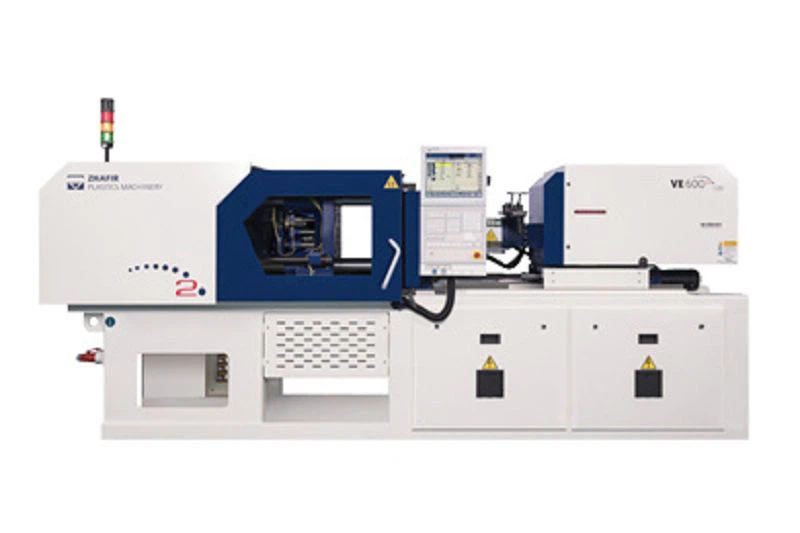
This field faces various complex interference, including devices like industrial smartphones, textile machines, industrial tablets, and HMI (Human-Machine Interface). The main concerns are the lifespan of the capacitive touchscreen products, supply stability, cycle time, stability, strong anti-interference, and the overall impact resistance of the device. Therefore, the G+G structure is generally recommended.
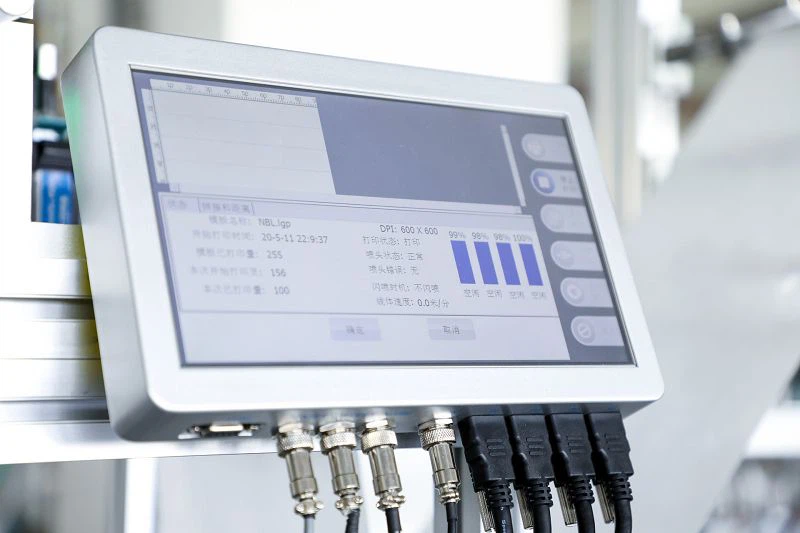
Case Introduction: Industrial Data Monitoring Equipment
Application Environment and Characteristics:
- Mainly used for data monitoring in workshops, needing to support operation with gloves and mechanical oil contamination.
- Requires high strength and impact resistance for the capacitive touchscreen.
- Demands strong anti-interference, long lifespan, and service life cycle.
Capacitive Touchscreen Solution:
- G+G structure with Corning 2.0mm tempered cover glass and AF (anti-fingerprint) coating.
- Atmel solution with FPC (Flexible Printed Circuit) shielded.
- To facilitate assembly, air bonding is chosen for both the TP and TFT.
Outdoor Equipment
The application environment is primarily outdoors, facing severe weather, temperature extremes, and various impacts. The requirements for capacitive touchscreens are relatively high, including devices such as industrial smartphones for oil exploration, outdoor agricultural machinery, and portable terminals for military and police operations. The main concerns are the touchscreen's glove and water functionality, lifespan, visibility in sunlight, and impact resistance. Therefore, the stable G+G structure is generally recommended.
Case introduction:Industrial Data Detection Equipment
Application Environment and Characteristics:
- Mainly used as workshop data monitoring so need to achieve operation with glove and mechanical oil.
- Capacitive touch screen requires stronger strength and higher impact resistance.
- Capacitive touch screen requires stronger anti-interference and long service life and life circle.
Capacitive Touchscreen Solution:
- G+G structure,2.0 thick Corning tempered glass cover with surface AF processed.
- Cypress program with FPC screened.
- Convenient for TP and TFT Assembly, air-bonding is recommended.